
How Often Do You Really Need a Professional Dental Clean?
The right cleaning interval is not the same for everyone. Dr. Cansu Öztürk explains the three levels of cleaning, who needs which frequency, and the warning signs that mean you should book sooner.
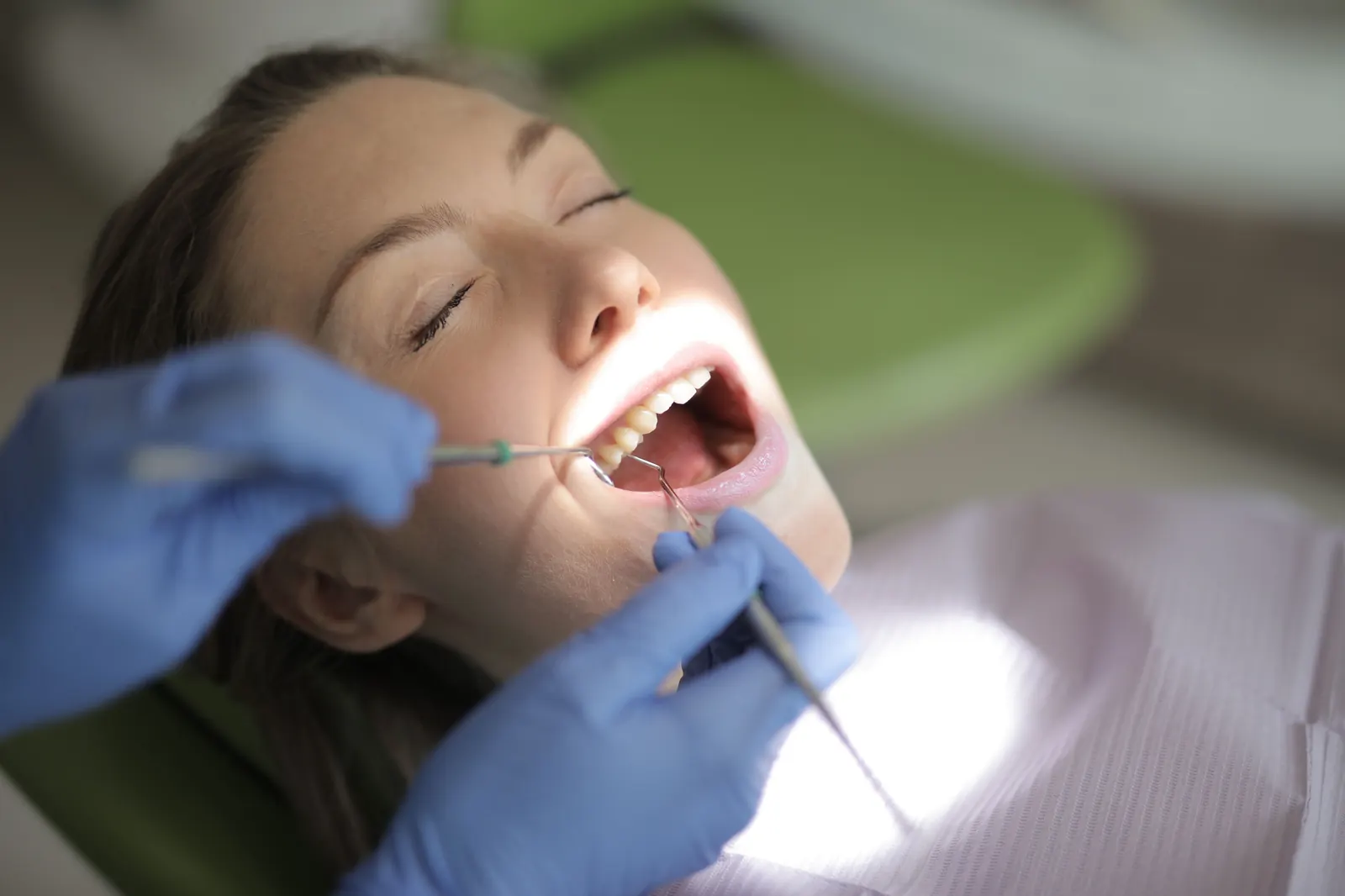
What a professional clean actually does
A dental clean removes calcified deposits (calculus or tartar) and biofilm (plaque) from tooth surfaces — both above and just below the gum line. Calculus cannot be removed by brushing once it has hardened; only mechanical instrumentation works. The clean also reveals decay, fractures, and gum problems that were hidden under deposits, which is why it is diagnostic as well as therapeutic.
Three levels of cleaning
- Maintenance prophylaxis (scale and polish) — for healthy mouths. 30–45 minutes. Supragingival deposits and stain.
- Subgingival debridement — for early periodontal disease. Local anaesthesia. Per-quadrant, 4 sessions over a month.
- Full-mouth disinfection or surgical periodontal therapy — for advanced disease. May involve flap surgery or laser-assisted protocols.
How often you really need it
The honest answer depends on your risk profile:
- Every 3 months: active periodontal disease, uncontrolled diabetes, immune compromise, smokers with deposits, post-implant maintenance year 1.
- Every 4 months: stable periodontitis, heavy stain producers (coffee/tea/wine), orthodontic patients.
- Every 6 months: healthy adults with average risk.
- Every 12 months: low-risk adults with excellent home care, no bleeding on probing, no active disease.
Signs you should book sooner
Do not wait for the next routine appointment if you notice: bleeding when brushing or flossing, gums that look red or swollen, persistent bad breath despite good hygiene, visible tartar above the gum line, or food consistently catching in the same area. These are signs the biofilm has built faster than your home care is removing it.
What we do at GC Clinic
Our hygiene appointment includes: medical history review, intra-oral photographs of any concerning areas, periodontal charting with 6-point pocket measurement, ultrasonic and hand scaling, air-flow biofilm removal, polishing, fluoride application if indicated, and oral hygiene instruction tailored to what we found. Total time: 60 minutes.
Sensitivity after cleaning
Mild zinging sensitivity to cold for 24–48 hours is normal, especially if subgingival deposits were removed and root surfaces are now exposed. We apply a desensitising fluoride varnish at the end of the appointment for high-sensitivity patients. The sensitivity resolves within a week.
Cleaning around implants and crowns
Implants and crowns need different instruments — metal scalers can scratch the implant abutment and create biofilm-trapping surfaces. We use plastic-tipped or carbon-fibre instruments and air-flow with glycine powder around implants. This is technique, not marketing — it matters for long-term peri-implant health. Read our overview on aftercare for restorative work.
Frequently asked questions
How often should I have a professional clean?
Standard recommendation: every 6 months for healthy gums and good home care. Every 3–4 months if you have periodontal disease, are diabetic, smoke, or have a history of heavy plaque. Annual is acceptable only for very low-risk patients with excellent home care — but most adults benefit from at least 6-monthly.
What is the difference between a clean, scale-and-polish, and full periodontal therapy?
A “clean” or scale-and-polish removes supragingival (above the gum) plaque and stain — a maintenance procedure for healthy mouths. Periodontal therapy involves subgingival debridement under local anaesthesia, often per-quadrant, for established gum disease. They are not interchangeable.
Will scaling weaken my teeth?
No. Ultrasonic and hand scaling remove deposits, not tooth structure. The temporary sensitivity many patients feel afterwards comes from exposed root surfaces being cleaned, not from tooth weakening. The sensitivity settles within 2–7 days.
Why are my gums bleeding after the clean?
Brief bleeding after a clean is normal — the gums were already inflamed by plaque and the cleaning has revealed it. Bleeding should stop within a week of consistent home care. Persistent bleeding after 2 weeks indicates underlying periodontal disease that needs further assessment.
Is air-flow polishing better than traditional polish?
Air-flow uses fine glycine or erythritol powder under water spray to remove biofilm and stain efficiently with less abrasion than rubber-cup pumice polishing. It is excellent around implants, orthodontic brackets, and stained cervical surfaces. We use both depending on the case.