
Tooth Discolouration: Causes, Categories, and the Right Treatment Order
Not all yellow teeth need veneers. Dr. Cansu Öztürk explains the difference between extrinsic and intrinsic staining, why age alone darkens teeth, and the conservative-to-invasive treatment hierarchy that saves you money before reaching for porcelain.
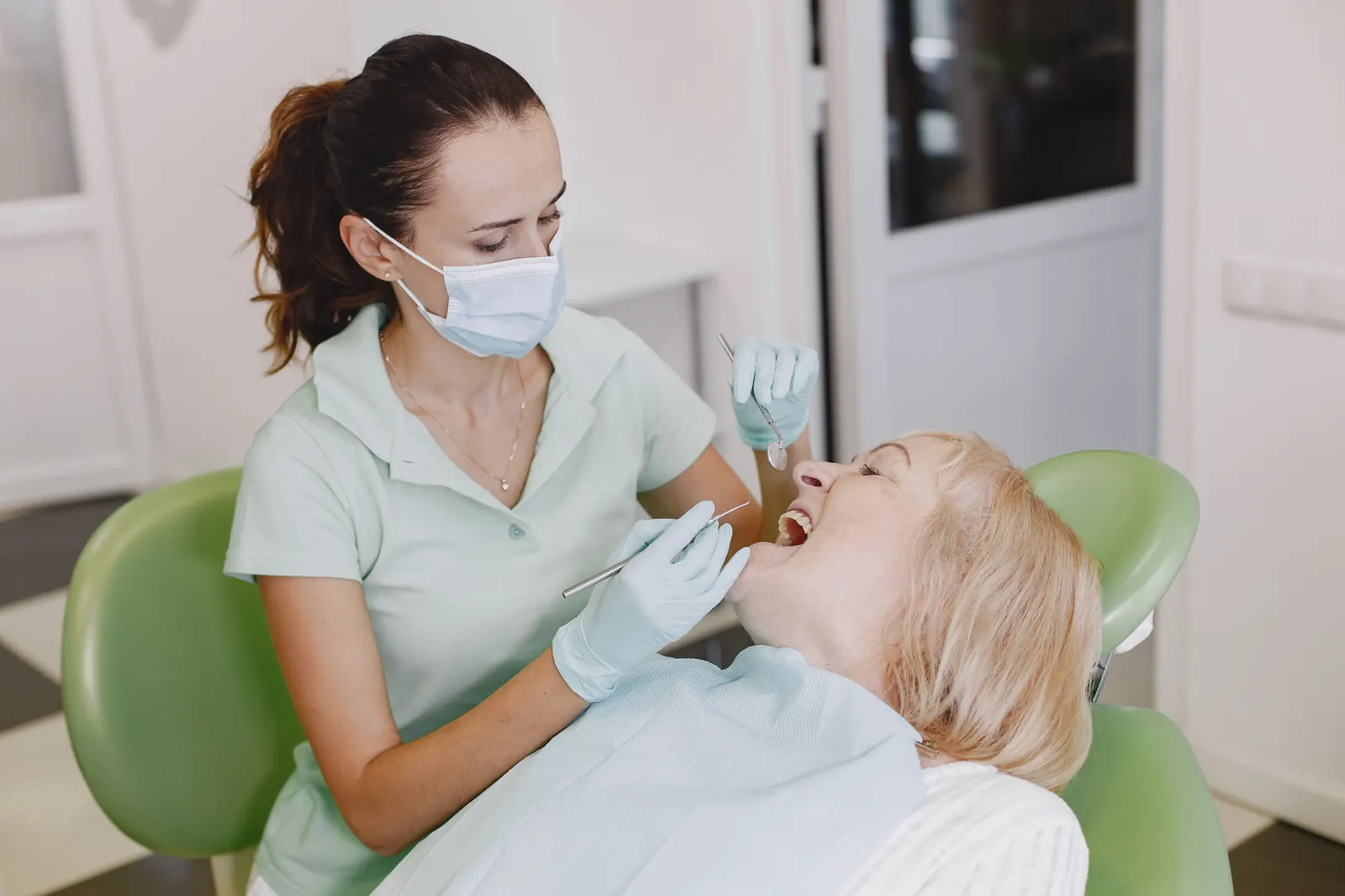
The two types of discolouration
Tooth discolouration falls into two categories, and treating one with the wrong approach wastes money. Extrinsic stains sit on the enamel surface — coffee, tea, wine, tobacco, chlorhexidine mouthwash — and respond well to professional cleaning and whitening. Intrinsic stains live within the dentine — tetracycline taken before age 8, dental fluorosis, internal bleeding from old trauma, or non-vital teeth after root canal — and need a different approach.
Why teeth darken with age
Enamel thins by approximately 0.5 mm per decade after age 30. Underneath sits dentine, which is naturally yellow-orange and thickens slowly over a lifetime as secondary dentine forms. The visual effect: teeth look darker every decade even if you do nothing “wrong.” This is why a 60-year-old with perfect hygiene still has darker teeth than they did at 25.
Diet, lifestyle, and medication
Top contributors to extrinsic staining: black coffee, black tea, red wine, soy sauce, balsamic vinegar, turmeric, smoking, and prolonged use of chlorhexidine mouthwash. Medication contributors include tetracycline (taken during tooth development), some iron supplements (in liquid form), and minocycline. Stains from these are harder to reverse and may need veneers if cosmetically significant.
Treatment hierarchy — most conservative to most invasive
We work through this sequence:
- Professional cleaning + air-polishing: removes 60–70% of extrinsic stain. £85 at GC Clinic.
- Take-home whitening trays: custom trays + 16% carbamide peroxide gel, worn 4–6 hours daily for 14 days. Lifts 2–4 Vita shades.
- In-office whitening: single 90-minute session for stubborn cases. Lifts 4–6 shades but more sensitivity.
- Internal bleaching: for single dark non-vital teeth. Done through the existing root canal access.
- Composite bonding: for spot fluorosis or white-band tetracycline. Conservative, reversible.
- Porcelain veneers: only when discolouration cannot be lifted by any method above.
What we do at GC Clinic
Every cosmetic enquiry starts with photographs and a video call — Dr. Öztürk reviews shade, gum line, and existing restorations before recommending anything. Many patients arrive expecting veneers and leave with whitening and bonding because that is what their case actually needs. Read more about our whitening protocol and our position on no-prep veneers.
Sensitivity during whitening — what is normal
Mild zinging sensitivity for 24–48 hours after a session is normal and resolves on its own. Severe pain, gum blanching, or sensitivity lasting more than 4 days is not normal — stop the gel and contact us. Pre-treatment with desensitising paste (potassium nitrate or NovaMin) for 5 days before whitening reduces sensitivity by approximately 40%.
Cost vs longevity
Professional whitening at GC Clinic is published in our quote wizard. The honest comparison: take-home whitening at £180 lasts 12–18 months. A veneer set at four-figure cost lasts 10–15 years. The right answer depends on the cause of discolouration, not on what is most conservative today.
Frequently asked questions
Why are my teeth yellower than they used to be?
Enamel thins with age, exposing the yellower dentine beneath. Coffee, tea, red wine, and tobacco add extrinsic stains. Some medications (tetracycline taken in childhood, certain antibiotics) cause intrinsic discolouration that whitening cannot fully remove. A clinical exam separates extrinsic stain (responds to whitening) from intrinsic (may need veneers).
Will whitening work on a single dark front tooth?
If the tooth is dark because of an old root canal, internal (non-vital) bleaching can lighten it from the inside — Dr. Öztürk performs this through the access cavity. If the darkness is from internal staining or a metal post, a veneer or crown is the more predictable plan. We always send before/after photographs by WhatsApp before recommending.
Can teeth whitening damage enamel?
Professional whitening at correct concentrations (16% carbamide peroxide or 6% hydrogen peroxide for take-home; 35–40% in-office) does not damage enamel. It can cause temporary sensitivity for 24–48 hours. The real risk is over-the-counter strips used daily for months — these can cause pulp irritation and gum burns.
How long does whitening last?
Six months to two years, depending on diet and habits. Heavy coffee or red wine drinkers see relapse faster. We recommend a single take-home top-up tray every 6–9 months — far cheaper than a full course. Smoking shortens whitening life dramatically.
Are veneers the only option for severely stained teeth?
No. We work through a hierarchy: professional cleaning first (removes extrinsic stain), then take-home whitening (lightens shade by 2–4 Vita levels), then in-office whitening if needed, then composite bonding for spot stains, and only then porcelain veneers for severe tetracycline staining or fluorosis. Each step is reversible until the last.