
Common Oral Diseases and Conditions: A UK Patient Reference
The mouth is exposed to more diversity of microbial, mechanical, and immune challenges than most other body sites. The result is a wide range of possible conditions — most benign, most treatable, but the diagnostic distinctions matter. Here is the practical reference of the conditions UK adults most commonly encounter.
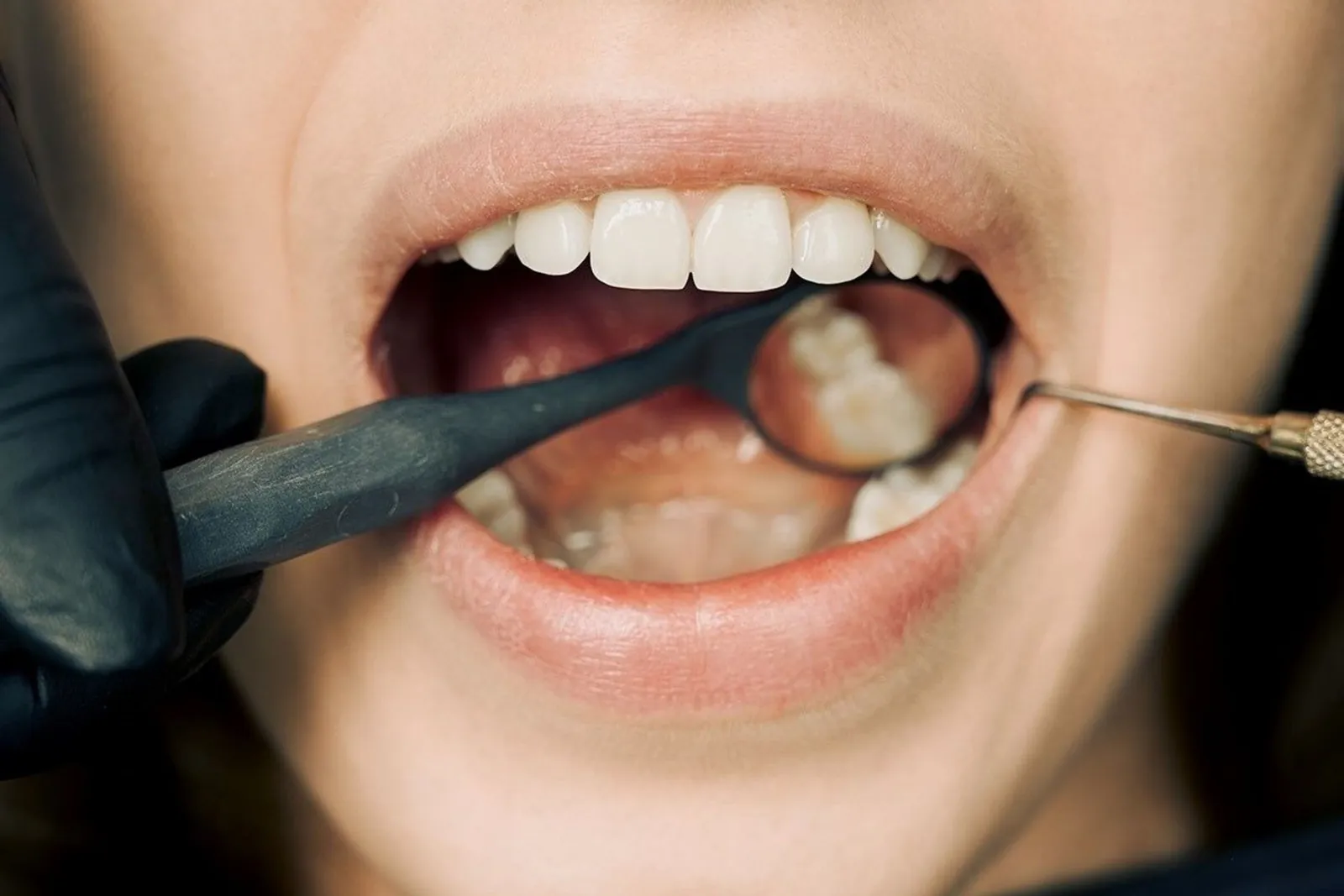
Condition reference
Caries (tooth decay)
The most common chronic disease worldwide. Bacterial fermentation of dietary sugars produces acid that demineralises enamel and dentine. Detailed treatment guide. Treatment ranges from fluoride remineralisation (early lesions) to extraction (severe cases). Prevention is more effective than treatment — fluoride exposure, dietary frequency control, professional review.
Periodontal disease
Inflammation of the gum tissue (gingivitis) progressing to bone loss around teeth (periodontitis). Affects ~45% of UK adults. Not reversible once bone is lost; treatment aims at stabilisation. Full detail in our gum disease guide. Linked to systemic conditions (diabetes, cardiovascular disease).
Aphthous ulcers
Recurring painful sores on the inside of cheeks, lips, tongue, or floor of mouth. Most are minor and heal in 7–14 days. Mouth ulcer guide. Triggers include trauma, stress, nutritional deficiency, certain foods. Most are not contagious or serious.
Cold sores (HSV reactivation)
Caused by herpes simplex virus type 1 (and occasionally type 2). Initial infection in childhood, often unnoticed. Subsequent recurrences as cold sores triggered by stress, illness, sun exposure, hormonal changes. Treated with topical or oral antivirals (aciclovir) most effective if started at the first tingle stage.
Oral candidiasis (thrush)
Yeast infection (Candida albicans) that overgrows when the oral microbial balance is disturbed. White patches that wipe off, leaving red raw surface underneath. Common in:
- Denture wearers (particularly with poor denture hygiene).
- Patients on inhaled steroids for asthma (rinse mouth after each use).
- Patients on antibiotics or immunosuppressants.
- Diabetes (poorly controlled).
- Older patients with reduced immune function.
Treated with antifungal lozenges, miconazole gel, or oral fluconazole in stubborn cases.
Lichen planus
Chronic inflammatory condition with white lacy patches (Wickham’s striae), red areas, sometimes ulceration. Affects 1–2% of adults, more common in middle-aged women. Causes are not fully understood — autoimmune inflammation is the prevailing theory. Most cases are mild and managed with topical steroids during flares. A small subset has slightly elevated oral cancer risk; specialist follow-up is appropriate for these cases.
Burning mouth syndrome
Sensation of burning, tingling, or pain in the tongue or other oral tissue without visible lesion. More common in postmenopausal women. Causes include nutritional deficiencies, dry mouth, candidiasis, certain medications, allergies, and idiopathic neuropathic pain. Workup includes blood tests for B12, folate, iron, ferritin, glucose, thyroid function. Treatment varies by identified cause.
Geographic tongue (benign migratory glossitis)
Map-like patches on the tongue surface that change shape and location over weeks. Benign, often asymptomatic, occasionally sore. Affects 1–3% of adults. No specific treatment needed; reassurance and avoidance of personal trigger foods (often spicy or acidic) is the management.
Hairy tongue
Elongation and discolouration of the filiform papillae on the tongue dorsum, giving a “hairy” appearance. Causes include heavy smoking, antibiotics, poor oral hygiene, hot drinks, certain mouthwashes. Treatment is mechanical (tongue scraping) and removal of triggers.
Oral cancer
Around 8,300 new UK cases annually. Risk factors: smoking (×6 risk), heavy alcohol (×6 risk; combined with smoking, ×30 risk), HPV infection (rising incidence in non-smokers), sun exposure (lip cancer specifically). Early diagnosis dramatically improves survival (5-year survival 80% for stage 1, 20–40% for advanced). The 3-week ulcer rule is the practical screening tool — any oral lesion that has not healed in 3 weeks needs assessment.
Temporomandibular joint disorders (TMD)
Pain and dysfunction of the jaw joint or surrounding muscles. Full TMD guide. Common presentations: clicking, locking, pain on chewing, headaches, ear pain. Most cases are managed conservatively (splint therapy, physiotherapy, stress management); surgical intervention is reserved for refractory cases.
Dental erosion
Loss of enamel from acid exposure (dietary or gastric, not bacterial). Different from caries — no bacterial mediation. Causes include acidic drinks (cola, sports drinks, sparkling water with citrus), reflux, eating disorders, occupational acid exposure (rare). Management is identifying and removing the source, plus protective measures (fluoride, restoration of damaged surfaces if needed).
Bruxism and tooth wear
Grinding and clenching produces wear, fracture, and TMJ symptoms. Bruxism guide. Often associated with sleep-disordered breathing, stress, certain medications. Management runs from night guard to Masseter Botox to underlying condition treatment.
Dry mouth (xerostomia)
Reduced salivary flow. Causes include medications (antihistamines, antidepressants, blood pressure drugs), Sjögren’s syndrome, head and neck radiotherapy, dehydration, mouth breathing. Increases caries risk substantially. Management: saliva substitutes, sugar-free gum, hydration, addressing causal medications where possible, fluoride varnish.
For UK patients
NHS dental and GP pathways handle the assessment of most oral conditions. The 2-week wait pathway exists for suspected oral cancer; specialist oral medicine clinics handle complex cases. Dental tourism is rarely the right pathway for diagnosis of oral conditions — local assessment is faster and the UK system has specific cancer-screening capacity. Where Istanbul fits: cosmetic or restorative work after underlying conditions have been diagnosed and managed locally.
Frequently asked questions
How do I know if a mouth lesion is serious?
The 3-week rule: any oral lesion (ulcer, lump, white or red patch, persistent sore) that has not healed in 3 weeks needs assessment by a dentist or GP. Most turn out to be benign. The few that are not benefit substantially from early diagnosis. Smoking and heavy drinking are the primary risk factors for oral cancer; HPV is increasingly relevant in non-smokers.
Can stress cause oral problems?
Yes — multiple ways. Stress increases bruxism (jaw clenching, tooth wear), aphthous ulcer frequency, periodontal inflammation severity, and dry mouth from reduced salivary flow. Stress management is sometimes part of the dental treatment plan, particularly for refractory bruxism or recurrent ulcers.
What does a normal mouth look like?
Pink uniform gum tissue without bleeding, smooth pink palate, slightly textured tongue, no white or red patches, no swelling, no persistent sores. Some normal variations exist (geographic tongue, fissured tongue, mild physiological pigmentation in some skin types). When in doubt, photograph and check with a dentist or GP.
Should I see a GP or a dentist for oral conditions?
Dentist first for tooth, gum, and most soft-tissue oral concerns. GP for systemic symptoms, suspected cancer pathway referrals, or conditions involving the throat or jaw joint. Many oral medicine specialists work in NHS dental hospital clinics; referral comes from the dentist or GP based on initial assessment.