
The First Dental Check-Up: What Should Happen, and What to Watch For
Whether you are returning to dentistry after years away, switching practices, or evaluating a new clinic for major work, the first appointment sets the tone. A thorough first check-up is more than a 5-minute glance and a hygiene appointment — it is the diagnostic baseline against which all future care is measured. Here is what should happen.
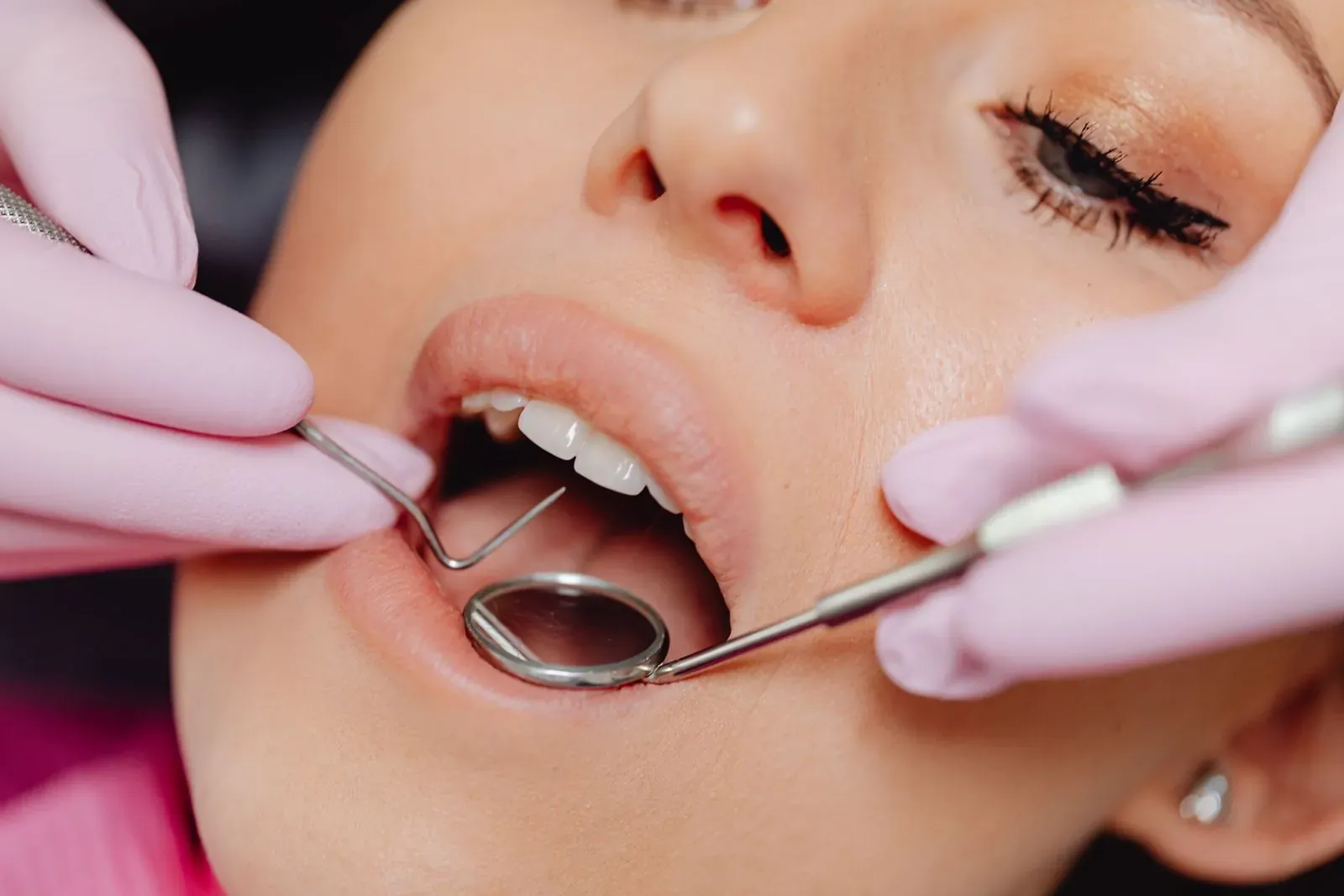
What a comprehensive new-patient examination involves
A proper first appointment with an unfamiliar patient runs 45–60 minutes and includes:
Medical and dental history
Detailed questionnaire covering general medical conditions, medications, allergies, smoking status, alcohol use, dental anxiety history, previous dental treatment, current concerns, and aesthetic goals. The history is reviewed verbally with the dentist, not just filled in on a form.
Visual examination
Tooth by tooth check for caries, fractures, existing restorations, wear patterns, and erosion. Visual inspection of the soft tissues — tongue, cheeks, palate, floor of mouth — looking for ulcers, white patches, swelling, or other lesions that need investigation.
Periodontal assessment
Probing depths around every tooth (typically 6 measurements per tooth), bleeding on probing, gum recession measurement, mobility check, and a calculation of the periodontal disease stage if any. This is the single most informative diagnostic of the appointment.
Bite and occlusal assessment
How the teeth come together, sliding patterns, premature contacts, signs of bruxism (wear facets, masseter hypertrophy, linea alba), and any clicking or pain in the temporomandibular joint.
Imaging
Bitewing X-rays for cavity detection, particularly between teeth. A periapical X-ray for any specific suspicious tooth. A panoramic X-ray for new patients to screen for impacted teeth, large lesions, jaw joint issues. CBCT only when there is a specific indication (implant planning, complex extraction, suspected fracture).
Photographs
Standard intra-oral photographs documenting the current state. These are the baseline against which future changes are compared.
Treatment plan and discussion
The findings are discussed with the patient — what is healthy, what needs immediate treatment, what to monitor, and what is optional. A written treatment plan is provided, ideally with cost estimates and timeline.
Red flags in a “check-up” that doesn’t qualify
- Less than 20 minutes total appointment time.
- No periodontal probing (or only spot-check probing).
- No X-rays taken or reviewed where they were last taken.
- No examination of soft tissues — just teeth.
- No discussion of findings — straight to “you need to book a hygiene appointment”.
- No written treatment plan or estimate offered.
- Pressure to commit to expensive cosmetic work at the first visit before diagnostics are complete.
If you experience these patterns at a new clinic, consider it a signal that the clinical thoroughness may not match what you would expect.
NHS check-up vs private check-up
NHS Band 1 covers a routine examination with X-rays as needed. The clinical standard is the same — most NHS dentists provide a thorough check at this band. The differences in private check-ups:
- Longer appointment slot (45–60 min private vs 15–20 min typical NHS).
- More routine photography and digital documentation.
- More elaborate cosmetic discussion and treatment planning if requested.
- Extras like CBCT screening for implant candidates, specialist referral coordination.
For patients who have not seen a dentist in 5+ years, private check-up’s longer slot is often genuinely useful for the diagnostic baseline. For routine annual review, NHS is sufficient.
What to bring to a first appointment
- Medical history list including current medications and allergies.
- Previous dental records if you can get them — particularly any X-rays.
- List of your current concerns or aesthetic goals, written down.
- Note about pain triggers if any — what makes pain worse, when it started, what makes it better.
- Insurance details if private.
For UK patients evaluating a clinic in Istanbul
The first “appointment” with an Istanbul clinic for many UK patients is a video consultation rather than in-person. A proper video consultation covers most of the diagnostic conversation: history, current concerns, photographs of teeth, review of any UK-side X-rays you can share, and an initial treatment plan with caveats noted (some findings will only be confirmable after in-person examination and CBCT).
The same red flags apply. A video consultation that is mostly sales pitch and “send your CBCT and we will give you a price” is not a clinical assessment. Look for: discussion of multiple options, honest discussion of what cannot be confirmed remotely, and willingness to recommend NOT travelling if the case does not need it. Our standard video consultation runs 30 minutes and is included before any travel commitment.
Frequently asked questions
How often should I have a dental check-up?
Every 6 months for moderate-risk patients (most adults); every 12 months for low-risk patients with no caries history and good periodontal health; every 3–4 months for high-risk patients (smokers, diabetics, periodontitis history). The dentist sets the recall interval; it is not a generic rule.
Will my new dentist redo all my X-rays?
Not necessarily — if you can bring recent (within 12 months) X-rays from your previous dentist, they are usable. Periapical and bitewing images are exchangeable between practices. The new dentist may take additional X-rays only if specific clinical questions need resolution.
How long should a thorough check-up take?
A new-patient comprehensive examination should be 45–60 minutes. Routine 6-month follow-ups can be shorter (15–25 minutes) because the diagnostic baseline is already established. Less than 20 minutes for a new-patient appointment is a sign the examination was not thorough.
What if I am embarrassed about not having seen a dentist for years?
Practising dentists are not surprised or judgmental — patients who have avoided care for years are common. The clinical conversation is matter-of-fact, focused on getting you back to baseline rather than commenting on the gap. The first appointment may identify several issues that need attention; sequencing them is part of the treatment plan, not a moral assessment.