
Bleeding Gums: What It Means, When to Worry, How It Is Treated
Gums are not supposed to bleed. The pink in the sink after brushing is not normal — it is the most common early sign of gingivitis, and unaddressed it progresses to periodontitis, which is the leading cause of adult tooth loss in the UK. Here is what is actually happening, and how the treatment ladder works.
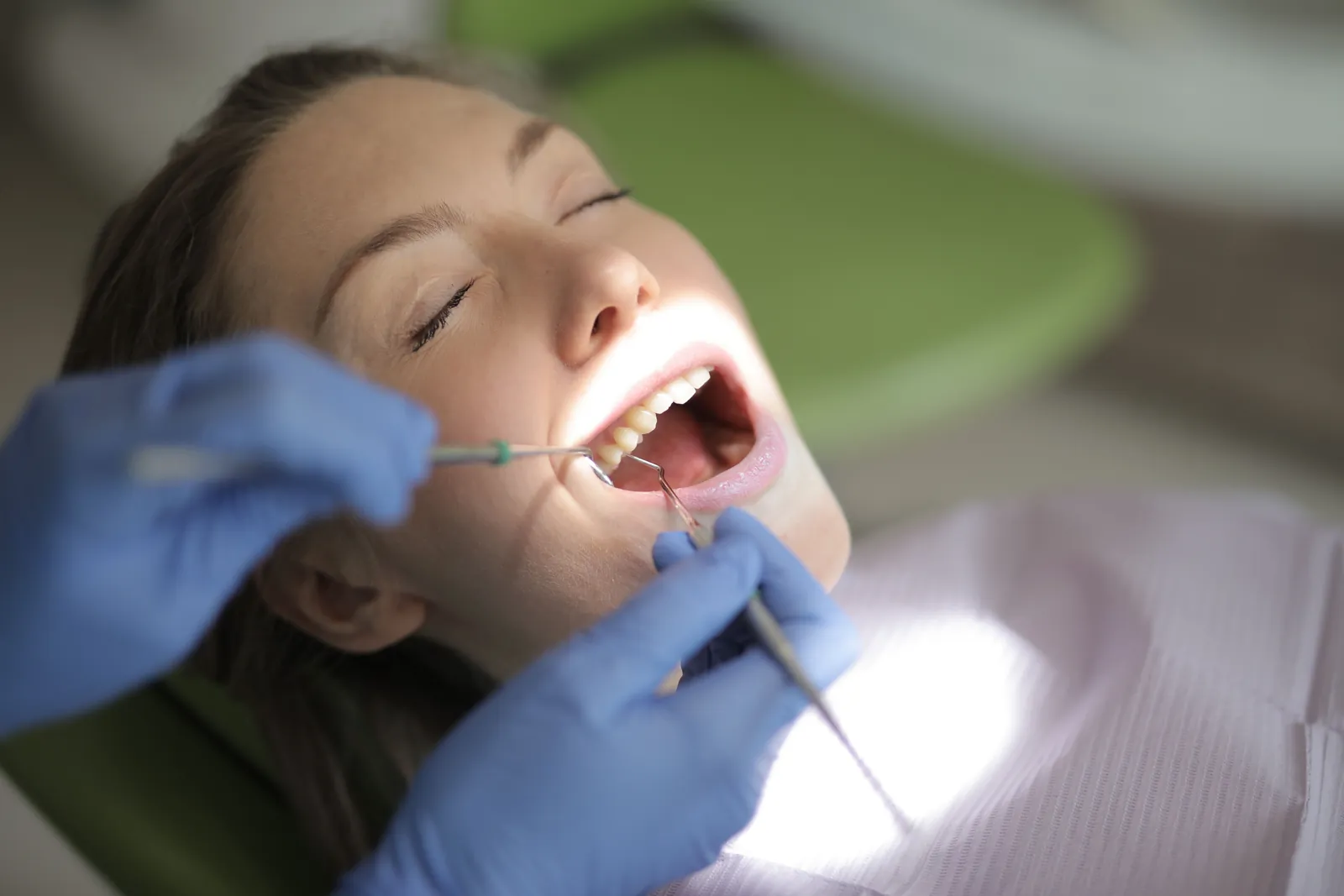
Why gums bleed
Healthy gum tissue is firm, pink, and does not bleed when brushed or flossed. Bleeding is the body’s inflammatory response to plaque biofilm — bacteria that accumulate at the gum line. The bacteria release toxins, the immune system responds with inflammation, blood vessels dilate, and the resulting tissue is fragile and bleeds at the slightest contact. This is gingivitis, the first and reversible stage of gum disease.
The progression to periodontitis
If gingivitis is not treated, the inflammation deepens. Bacteria migrate below the gum line, the supporting bone begins to dissolve, and pockets form between tooth and gum. This is periodontitis, and it is not reversible — bone that has been lost does not regenerate without surgical intervention. Roughly 45% of UK adults have some form of periodontal disease, with severe cases affecting around 10%, according to the Adult Dental Health Survey.
What you can do at home (and where home care stops working)
Mechanical plaque removal is the foundation. The technique matters more than the brand of toothbrush:
- Twice daily brushing, 2 minutes, with a soft or medium electric brush angled at 45° toward the gum line. Pressure light, motion small.
- Daily interdental cleaning — floss for tight contacts, interdental brushes for gaps. Most adults benefit more from interdental brushes (TePe or similar) than from floss alone.
- Replace your brush head every 3 months or when bristles fan out, whichever comes first.
If bleeding does not resolve within 2 weeks of consistent thorough cleaning, the cause is below the gum line and home care alone will not fix it. That is the point at which professional cleaning is needed.
Professional treatment: scale-and-polish vs deep cleaning
The terminology matters because the procedures are different:
Scale-and-polish (gingivitis stage)
Removes plaque and calculus (tartar) above the gum line. Done with ultrasonic scaler. Takes 30–45 minutes. No anaesthetic typically needed. NHS Band 1 for routine cases. Sufficient for early gingivitis.
Scaling and root planing (periodontitis stage)
Removes calculus and biofilm from below the gum line, all the way to the root surface where bacteria have colonised. Done in quadrants under local anaesthesia. Takes 30–45 minutes per quadrant. NHS Band 2 or private. The root surface is then planed smooth so bacteria cannot easily re-attach.
Periodontal surgery (advanced cases)
For pockets that remain deep after non-surgical treatment, flap surgery, regenerative procedures (bone grafts, membranes), or tooth extraction in non-restorable cases. Specialist periodontist territory.
The connection to general health
Periodontitis is not isolated to the mouth. The bacterial load and chronic inflammation contribute to cardiovascular disease, diabetes complications, adverse pregnancy outcomes, and possibly Alzheimer’s risk. The British Society of Periodontology and the European Federation of Periodontology have published joint statements on these systemic links since 2019. Treating gum disease is not cosmetic dentistry — it is preventive medicine.
Pregnancy gingivitis specifically
Hormonal changes in pregnancy increase gingival sensitivity to plaque. Bleeding can begin in the first trimester and worsen through the third. The treatment is unchanged — careful mechanical cleaning, professional scale-and-polish where indicated. The condition resolves after delivery in most cases. The risk of untreated periodontal disease in pregnancy includes preterm birth and low birth weight. Routine cleaning is safe in pregnancy; elective procedures are postponed to the second trimester or after delivery.
For UK patients: dental tourism and gum disease
Active gum disease is the single most common reason a clinical plan in Istanbul has to be paused. Implants placed in inflamed bone fail; veneers cemented at an inflamed margin will leak; crowns adjacent to bleeding gums are aesthetically compromised. Periodontal treatment must be completed and stable before restorative work begins. We are clear about this before you book, and we will not bypass it because someone has limited holiday time. The signs of progressing gum disease are usually visible months before tooth loss.
Frequently asked questions
Is bleeding when I floss normal if I just started flossing?
For the first 1–2 weeks of consistent flossing, mild bleeding is common as the inflammation responds to the disturbance. It should clearly improve and resolve by week 2–3. If bleeding persists or worsens after that, you need a professional clean — the bacteria are below the gum line where floss cannot reach.
Can gum disease be cured?
Gingivitis is fully reversible with proper cleaning. Periodontitis can be stabilised — the disease stops progressing — but bone that has been lost does not regenerate spontaneously. The realistic goal is stability, not cure, once bone loss has occurred.
How often do I need professional cleaning?
For healthy gums: every 6 months. For gingivitis history: every 4 months. For active periodontitis under maintenance: every 3 months. The interval is determined by individual susceptibility, not a generic rule.
Will my UK dentist refer me to a periodontist?
Most NHS dentists handle initial scaling and root planing in-practice. Specialist periodontist referral is appropriate for advanced cases, regenerative surgery, or when initial treatment has not stabilised the disease. NHS specialist referral has waiting times; private specialist appointments are typically faster.