Baby Bottle Tooth Decay: Prevention, Spotting It Early, Treatment
Baby bottle tooth decay — clinically called early childhood caries — is the rapid breakdown of milk teeth in toddlers, usually caused by extended exposure to milk, formula or juice from a feeding bottle. It is preventable. When it is not prevented, it is treatable. This is the practical guide for UK parents.
Why baby teeth matter
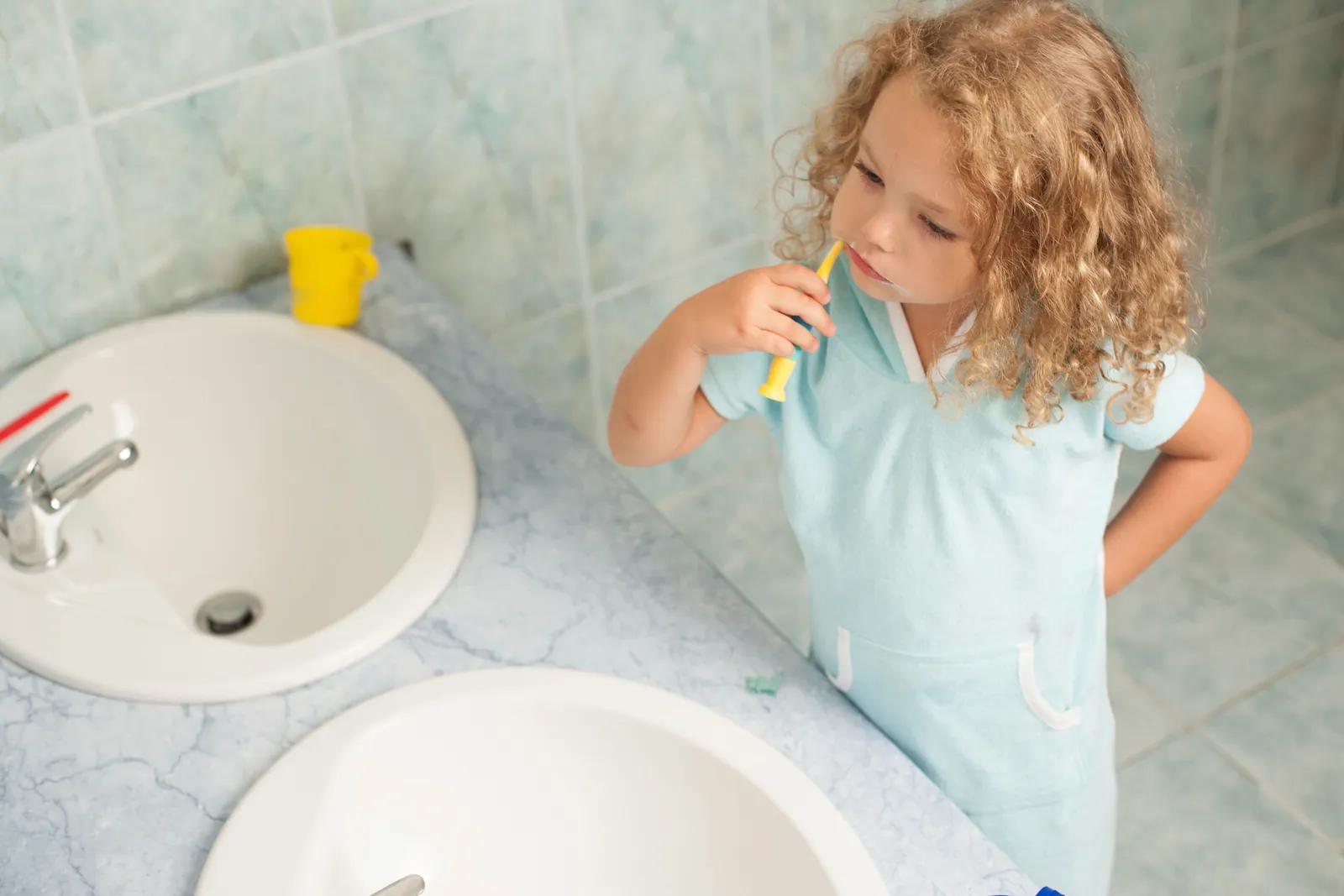
Milk teeth are not just placeholders. They guide the permanent teeth into position, support speech development, allow normal chewing during the years a child is forming dietary habits, and contribute to facial growth. Premature loss from severe decay can cause crowding of the adult teeth, speech delays, and a lasting fear of dentistry. The cost of preventing baby bottle decay is small; the cost of treating it under general anaesthesia in a UK hospital can run into the thousands.
The mechanism: why bottles cause it
The sugars in milk, formula and juice are food for oral bacteria. Bacteria produce acid that demineralises enamel — the hard outer layer of the tooth. Saliva normally neutralises this acid within 20–30 minutes after exposure. When a child sleeps with a bottle, or sips slowly throughout the day, the teeth are bathed in sugar continuously and saliva has no chance to neutralise. The result is rapid decay, particularly on the upper front teeth which sit directly under the bottle’s nipple.
Prevention: the four practical rules
- No bottle in the cot. Once the baby is in the cot, the bottle is out. If a comfort feed is needed at sleep, switch to a bottle of plain water.
- Wean off the bottle by 12–14 months. The American Academy of Pediatric Dentistry and the British Society of Paediatric Dentistry both recommend transition to a free-flow cup by the first birthday.
- Wipe gums and clean teeth from infancy. Before the first tooth, wipe the gums with a clean damp cloth after feeds. From the first tooth, brush twice daily with a smear of fluoride toothpaste (under-3) or pea-sized (3–6).
- First dental visit by age one. The NHS allows free dental care for under-18s. The first visit is largely educational — the dentist or therapist looks for early signs and advises on technique.
Spotting early childhood caries: what to look for
The earliest sign is a chalky white line along the gum margin of the upper front teeth. This is not yet a hole — it is demineralised enamel, and it is reversible with fluoride and dietary correction. If left, it darkens to yellow-brown, then to a visible cavity, often with the tooth crumbling within months. Lower front teeth are usually spared because the tongue protects them; upper front teeth bear the brunt.
Treatment: from fluoride to general anaesthesia
If caught at the white-spot stage, fluoride varnish applications every 3–6 months and dietary changes can remineralise the enamel. No drilling, no fillings. This is the goal of the early dental visit.
Once cavities have formed, treatment scales with severity:
- Small cavities: glass ionomer or composite filling, performed under local anaesthesia or with nitrous oxide sedation in a cooperative child.
- Moderate cavities: stainless steel preformed crowns (“Hall technique” or full coverage), more durable than fillings in primary molars.
- Severe cases with multiple teeth involved: often requires general anaesthesia, particularly in children under four. In the UK, this is performed in a hospital setting with a paediatric anaesthetist.
- Non-restorable teeth: extraction with space maintainer to preserve room for the adult tooth.
Pulp involvement and the question of saving the tooth
If decay reaches the nerve (pulp) of a primary tooth, options are pulpotomy (removing the inflamed coronal pulp, sealing with biocompatible material) or extraction. Pulpotomy with a stainless steel crown is well-established and predictable. Extraction is appropriate when the tooth is too damaged to restore or when the eruption of the permanent successor is imminent.
For UK families considering treatment in Istanbul
Most paediatric dental work for early childhood caries is best done locally — children do not travel well for treatment that involves multiple visits and behaviour management. We see UK families in Istanbul typically in two scenarios: the parents are already travelling for their own dental work and want a same-trip assessment for the child, or there is a specific complex case (multiple GA-requiring procedures with a long NHS waiting list) where coordinated care is sensible. We are honest about which scenarios fit and which do not.
Frequently asked questions
At what age do baby teeth stop being at risk for bottle decay?
Risk decreases dramatically once the child is off the bottle and on a varied diet — typically by 18–24 months. Risk does not disappear, however; sippy cups with juice can cause similar decay patterns. The key is the duration of sugar contact with teeth, not the delivery vessel.
Will fluoride varnish hurt my child?
No — fluoride varnish is a yellow-tinted gel painted onto teeth in seconds. It tastes mildly sweet, sets quickly, and is safe from infancy. It is offered free by NHS dentists for under-7s and is the single most effective preventive intervention available.
My child needs four fillings — is general anaesthesia really necessary?
For four or more teeth in a young child (under four), general anaesthesia is often the right choice — it allows complete treatment in one session rather than multiple traumatic appointments. The decision depends on the child’s temperament, the depth of decay, and the practical reality of compliance. A paediatric specialist makes the call after assessment.
Can milk teeth that have been crowned still fall out naturally?
Yes. Stainless steel crowns are designed to stay on the primary tooth until natural exfoliation. The root resorbs underneath as the adult tooth pushes through, and the crowned tooth falls out with the primary tooth — completely normal.