
Gum Disease: The Signs Most People Miss Until It Is Too Late
Gum disease — gingivitis at the early stage, periodontitis when the bone starts to dissolve — is the leading cause of adult tooth loss in the UK. Roughly 45% of UK adults have some form of it, with severe cases affecting around 10%. The signs are often subtle for years before the disease becomes obvious. Here is what to watch for.
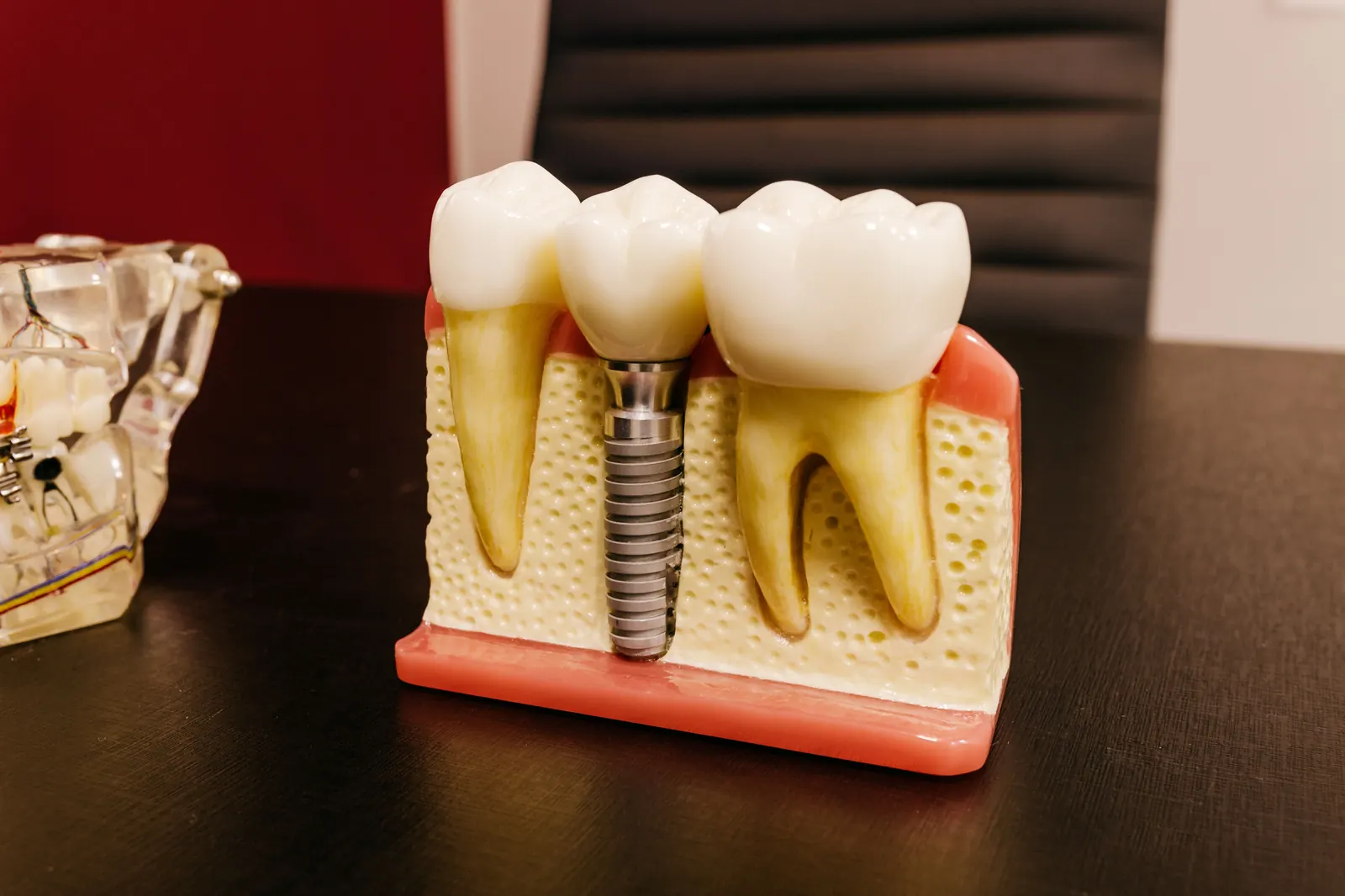
The two stages
Gum disease has two distinct stages with different prognoses:
Gingivitis
Inflammation of the gum tissue caused by plaque accumulation at the gum line. Reversible — proper cleaning at home and a professional clean restores healthy tissue. Affects 60–80% of UK adults at some point. Does not damage bone.
Periodontitis
Inflammation extends below the gum line, creating pockets between tooth and gum. The supporting bone begins to dissolve. Not reversible — bone that has been lost does not regenerate spontaneously. Approximately 45% of UK adults have some periodontitis; severe cases affect around 10%.
The transition from gingivitis to periodontitis happens gradually over months to years if gingivitis is left untreated. Once bone loss starts, the goal shifts from cure to stabilisation.
Early signs of gingivitis
The signs that toothbrushing alone is not adequate:
- Bleeding when brushing or flossing. Healthy gums do not bleed. Pink in the sink is the most common early signal that something is starting.
- Slightly puffy or red gums at the margin (where the gum meets the tooth).
- Bad breath that does not resolve with normal cleaning. Bacterial accumulation produces volatile sulphur compounds; persistent halitosis often signals beginning gum issues.
- Tenderness when eating crunchy foods or when interdental cleaning.
At this stage, the changes are fully reversible. Two weeks of consistent thorough cleaning plus a professional scale-and-polish typically restores healthy tissue.
Signs that gingivitis has progressed to periodontitis
- Persistent bleeding that does not resolve with improved home care.
- Receding gums — teeth appearing longer than they used to.
- Gaps appearing between teeth as bone loss creates space.
- Loose teeth — even subtle mobility is a late sign.
- Pus or discharge from gum margins (acute periodontal abscess).
- Persistent bad taste from chronic infection in deep pockets.
- Sensitive teeth at the gum line as exposed root surface lacks enamel protection.
The most reliable diagnostic is periodontal probing — measuring pocket depths around every tooth. Pockets above 4 mm signal pathological depth; above 6 mm is significant disease.
The risk factors
Some risk factors are non-modifiable:
- Genetic predisposition — periodontitis runs in families.
- Age — risk increases through adulthood, peaks in 50s–60s.
- Previous gum disease — damaged areas are more susceptible to recurrence.
The modifiable factors:
- Smoking: the single biggest risk factor. Smokers have 3–6× higher periodontitis rates.
- Diabetes (uncontrolled): bidirectional relationship — periodontitis worsens glycaemic control and vice versa.
- Stress: impairs immune response to plaque.
- Poor oral hygiene: the obvious one but worth stating.
- Hormonal changes: pregnancy gingivitis, menopausal changes.
- Certain medications that cause gum overgrowth (some calcium channel blockers, anticonvulsants, immunosuppressants).
The systemic health connection
Periodontitis is not isolated to the mouth. The chronic bacterial load and inflammation contribute to:
- Cardiovascular disease — periodontal patients have measurably higher rates of heart disease and stroke.
- Diabetes complications — bidirectional worsening.
- Adverse pregnancy outcomes — preterm birth and low birth weight.
- Rheumatoid arthritis — common inflammatory pathway.
- Possibly Alzheimer’s disease — research is suggestive but not yet definitive.
Treating periodontitis is preventive medicine, not just dental cosmetics.
The diagnostic appointment
A proper periodontal assessment includes:
- Full-mouth probing (6 readings per tooth).
- Bleeding-on-probing measurement.
- Recession measurement.
- Mobility check.
- Plaque score.
- Radiographic bone level assessment.
The result is a periodontal stage and grade — the modern classification system that predicts disease trajectory and informs treatment intensity. NHS dentists provide this assessment as part of routine examination; ask for the periodontal status if not offered.
Treatment ladder
- Gingivitis: improved home care + scale-and-polish. Reversible.
- Mild periodontitis: scaling and root planing under local anaesthesia, typically over 2–4 appointments. Maintenance every 3–4 months.
- Moderate periodontitis: non-surgical treatment as above; if pockets remain >5 mm after non-surgical, periodontal surgery becomes appropriate.
- Advanced periodontitis: surgical treatment, possibly extraction of teeth that cannot be saved, planning for implant or prosthetic replacement.
Our bleeding gums guide covers the treatment progression in more detail. Patients planning Istanbul cosmetic or implant work need stable periodontal status before restorative treatment proceeds — active disease compromises every restorative outcome.
Frequently asked questions
Can gum disease be cured?
Gingivitis is fully reversible with proper cleaning. Periodontitis can be stabilised — disease progression stopped — but bone that has been lost does not regenerate spontaneously. The realistic goal once bone loss has occurred is stability and maintenance, not cure.
How long does it take for gingivitis to become periodontitis?
Variable — months to years depending on susceptibility. Some patients progress quickly; others have prolonged gingivitis without bone loss for decades. Smoking, diabetes, and genetic predisposition accelerate progression. Without intervention, the trajectory is generally toward worsening.
Will my UK dentist refer me to a periodontist?
Most NHS dentists handle initial scaling and root planing in-practice. Specialist periodontist referral is appropriate for advanced cases, regenerative surgery, or when initial non-surgical treatment has not stabilised the disease. NHS specialist referral is available; private specialist appointments are typically faster.
Can I have implants if I have had periodontitis?
Yes, with caveats. Active disease must be treated and stabilised before implant placement. Patients with periodontitis history have somewhat higher implant complication rates (peri-implantitis) and need closer maintenance. Implants in stabilised periodontitis patients have published 10-year survival rates of 88–93% — lower than periodontally healthy patients (95%+) but still favourable.