
Bruxism: What Tooth Grinding Actually Is and How We Treat It
Bruxism is not a bad habit — it is a neuromuscular sleep disorder that can destroy enamel, fracture porcelain, and produce chronic headaches. Dr. Cansu Öztürk explains the causes, damage patterns, and the treatment hierarchy at GC Clinic.
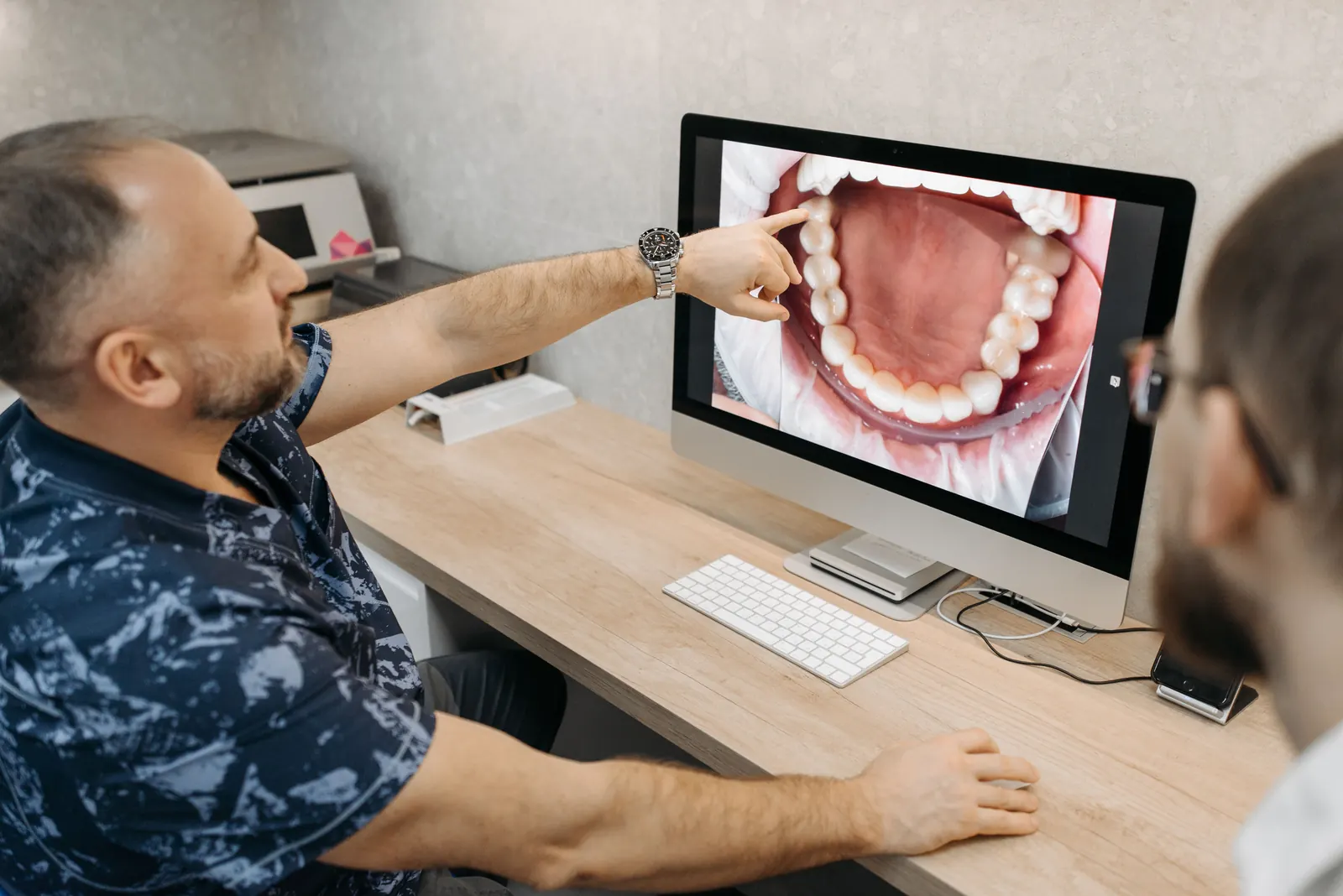
What bruxism actually is
Bruxism is involuntary clenching, grinding, or gnashing of teeth, usually during sleep but sometimes during the day. It is a neuromuscular sleep disorder, not a habit you can simply “stop doing.” The forces generated during sleep bruxism can exceed normal chewing forces by 5–10×, which explains why it destroys enamel and porcelain so efficiently.
Why people grind
The cause is rarely single. Contributors include:
- Sleep apnoea and disordered breathing — bruxism often follows airway events.
- Stress and anxiety — increase central nervous system arousal during sleep.
- Occlusal interferences — high spots that the brain tries to grind down.
- Certain medications — particularly SSRIs and methylphenidate.
- Caffeine, alcohol, recreational stimulants — increase arousal.
- Genetics — bruxism runs in families.
Damage patterns we see
Bruxism wear is recognisable on examination. Front teeth show flat, smooth edges where enamel has worn through to dentine — a yellow rim becomes visible. Back teeth show flat occlusal tables and cupped centres. Posterior cusp tips chip. Existing fillings fracture or fall out. The masseter muscles enlarge, giving a square jaw appearance. The tongue borders show scalloped indentations from pressing against teeth.
Diagnosis at GC Clinic
We diagnose with: intra-oral examination (wear facets, fractures), occlusal analysis (T-Scan or articulating paper), masseter palpation, TMJ range of motion, and screening questions for sleep apnoea (snoring, witnessed apnoeas, daytime sleepiness). When sleep apnoea is suspected, we refer to a sleep physician — bruxism caused by airway obstruction needs the airway treated, not just a nightguard.
Treatment hierarchy
- Custom hard nightguard — flat plane occlusal splint, 2.5 mm thick, full coverage. Protects teeth and reduces muscle activity.
- Behavioural therapy — biofeedback, sleep hygiene, stress management.
- Sleep medicine review — when apnoea is suspected.
- Masseter botox — for severe muscle hypertrophy or refractory pain. 3–4 month duration.
- Restorative phase — only after bruxism is controlled.
What we do not do
We do not perform full-mouth crown rehabilitation as a first-line bruxism treatment. The damaged porcelain rates in untreated bruxers are too high. We do not prescribe long-term diazepam for bruxism. We do not promise that any single intervention “cures” the condition — bruxism is managed, not cured.
Why this matters for veneer or crown patients
If you have invested in cosmetic dentistry, untreated bruxism is the single biggest risk to your investment. A nightguard is mandatory after veneers or crowns in any patient with a bruxism history. We provide one as part of every full-arch case. Read our piece on paediatric bruxism for the rare cases where it appears in children.
Frequently asked questions
How do I know if I grind my teeth at night?
Common signs: morning jaw soreness, headaches behind the temples, flat or chipped tooth edges, scalloped tongue borders, and a partner reporting grinding sounds. We confirm with intra-oral wear pattern analysis and, in unclear cases, a take-home sleep recording device that captures masseter activity overnight.
Is bruxism caused by stress?
Stress is one factor but not the only one. Other contributors: sleep apnoea (a major hidden cause), occlusal interferences, certain SSRI medications, recreational stimulants, and central nervous system arousal patterns. Treating only the stress while missing an underlying sleep disorder leaves the bruxism active.
Will a nightguard cure bruxism?
A nightguard does not cure the underlying neuromuscular pattern — it protects your teeth from the consequences. The grinding still happens, but onto plastic instead of enamel. For many patients this is sufficient. For severe cases with TMJ symptoms, we add behavioural therapy, masseter botox in selected cases, and sleep medicine review.
What does masseter botox do for bruxism?
Botulinum toxin injected into the masseter muscle reduces its peak force by 30–50% for 3–4 months. It does not stop grinding events but reduces the destructive load. Used for patients with severe muscle hypertrophy or refractory pain. We do not offer it as cosmetic-only and require evidence of clinical bruxism.
Can I get my worn-down teeth restored?
Yes, but only after the bruxism is controlled. Restoring teeth without addressing the cause produces broken porcelain within 6–12 months. We sequence: bruxism control with nightguard ± botox, 3-month review, then restorative phase. Composites and onlays first, crowns only when necessary.