
Teeth Grinding in Children: When to Worry, When It Is Normal
Teeth grinding in children — clinically called paediatric bruxism — affects roughly 15–30% of children at some point. Most cases are normal developmental phenomena that resolve spontaneously. A small minority signal something that needs attention. Here is the practical guide for UK parents.
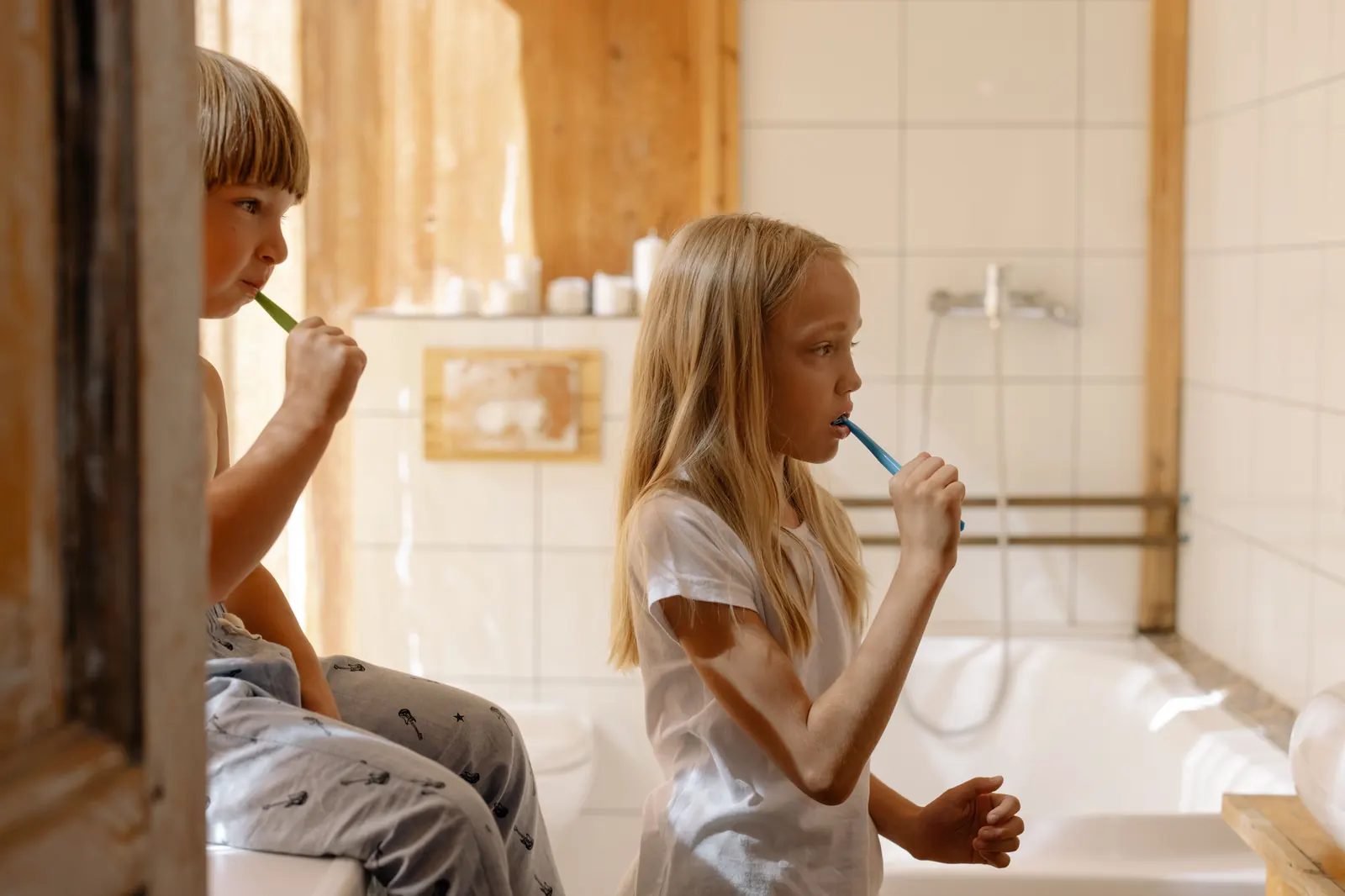
How common it is
Studies of UK and European children consistently show:
- 15–30% of children grind their teeth at some point.
- Peak prevalence is age 3–6, declining through adolescence.
- About 10% of children grind regularly (more than 3 nights per week).
- The majority of childhood grinders stop spontaneously by adolescence.
Most paediatric bruxism is therefore a developmental phenomenon, not a disease. Parents notice the noise; children rarely report symptoms.
Why children grind
The mechanisms are not identical to adult bruxism. Common contributors:
- Erupting teeth: the child explores new tooth contacts as primary teeth erupt or shed. The grinding settles as the bite stabilises.
- Mixed dentition phase: ages 6–12 when primary and permanent teeth coexist. Bite irregularities are normal during this phase.
- Sleep stage transitions: children spend more time in deep sleep stages associated with bruxism activity.
- Stress and anxiety: bruxism increases with school stress, family changes, sleep disturbance.
- Adenoid and tonsil enlargement: children with sleep-disordered breathing grind more. The grinding is sometimes the first noticeable sign of underlying breathing issue.
- Pinworm infections: classical association, though the published evidence is weaker than the folk wisdom suggests.
- Genetic predisposition: bruxism runs in families.
When to seek dental review
The signs that grinding needs assessment:
- Visible wear on primary or permanent teeth.
- Tooth fracture or chipping.
- Complaints of jaw pain or headache.
- Daytime grinding or clenching (less common, more concerning than night-only grinding).
- Snoring or witnessed breathing pauses — sleep-disordered breathing assessment is appropriate.
- Persistent grinding in a child over 10–12 who has not stopped spontaneously.
When grinding is normal
- Episodic grinding in a child under 6 with no visible wear and no complaints.
- Grinding during teeth eruption phases.
- Brief periods of increased grinding during stressful life events that resolve as the stress passes.
Most paediatric bruxism falls in this “watch and wait” category. Reassurance and monitoring are appropriate; no specific treatment needed.
The sleep apnoea consideration
Childhood obstructive sleep apnoea is increasingly recognised. Markers include snoring, witnessed breathing pauses, mouth breathing during sleep, restless sleep, daytime sleepiness or hyperactivity, and bruxism. Adenoid and tonsil enlargement is the most common cause; treatment (when indicated) may involve adenotonsillectomy by ENT specialist.
If childhood bruxism is accompanied by snoring or breathing concerns, GP or paediatric ENT referral is appropriate. Treating the underlying breathing issue often resolves the bruxism that accompanied it.
Treatment approaches when intervention is needed
Behavioural and environmental measures
- Address obvious stress factors where possible.
- Sleep hygiene improvements (consistent bedtime, cool dark room, no screens before bed).
- Calming bedtime routine.
Custom night guard
For children with significant wear or pain, a custom soft or hybrid night guard can protect the developing teeth. Sized to the child’s current dentition; replacement as the child grows. Used selectively because:
- Children are less compliant than adults with appliance wear.
- The dentition changes rapidly during mixed dentition phase.
- Most cases resolve without intervention.
Suited mainly for severe cases or for adolescents with persistent bruxism approaching adult patterns.
Sleep medicine referral
For cases with airway concerns, formal sleep study and ENT input.
What does NOT typically help
- Aggressive treatment of dietary triggers (most paediatric bruxism is not diet-driven).
- Medication (no medications are routinely used for paediatric bruxism).
- Botox (used for adult bruxism, not paediatric — developmental concerns and lack of evidence).
- Heavy occlusal adjustment of primary teeth (the dentition is changing; permanent occlusal adjustment is inappropriate).
For UK families
NHS dental and GP care addresses most paediatric bruxism concerns adequately. The GP or NHS dentist can assess for visible wear, refer for ENT/sleep study if airway concerns are present, and provide reassurance for the majority of cases that do not need intervention. Custom night guards are NHS Band 3 in appropriate cases or private elsewhere.
Dental tourism is rarely the right pathway for paediatric bruxism — the assessment is best done locally with continuity of care. Where Istanbul might fit: family-coordinated treatment where the parents are travelling for their own dental work and want a same-trip assessment for the child as part of overall family care. Our paediatric dentistry guide covers the broader context. Adult bruxism guide covers the same topic for grown patients.
Frequently asked questions
Should I worry if my child grinds their teeth?
Usually not — about 15–30% of children grind at some point and most stop spontaneously by adolescence. Worry signals are visible wear, fracture, jaw pain, daytime grinding, or grinding accompanied by snoring or breathing concerns. The majority of cases are watch-and-wait.
Will a child’s grinding affect their adult teeth?
In most cases, no — primary tooth wear does not transfer to adult teeth. Severe persistent grinding into adolescence can affect adult teeth, which is why the threshold for intervention rises in older children. Mixed-dentition wear (ages 6–12) is rarely problematic for adult teeth.
Can a child have a night guard?
Yes, when indicated. Custom soft or hybrid night guards can be made for children with severe wear, pain, or persistent bruxism. The compliance challenges and changing dentition limit the use to specific cases. Most paediatric bruxism does not need a guard.
Could my child’s grinding be from worms?
The pinworm-bruxism association is classical but the published evidence is weak. If your child has other symptoms suggesting pinworm (anal itching, particularly at night), GP assessment and treatment are appropriate. Treating worms ‘just in case’ is not first-line management for childhood bruxism alone.