Tooth Extraction Aftercare: The 14-Day Recovery Protocol
Most extraction complications are preventable, and the first 48 hours decide most of it. This is the post-operative protocol we hand every patient — what to do, what to watch for, when to worry, and when you can fly home.
Why the first 24 hours matter most
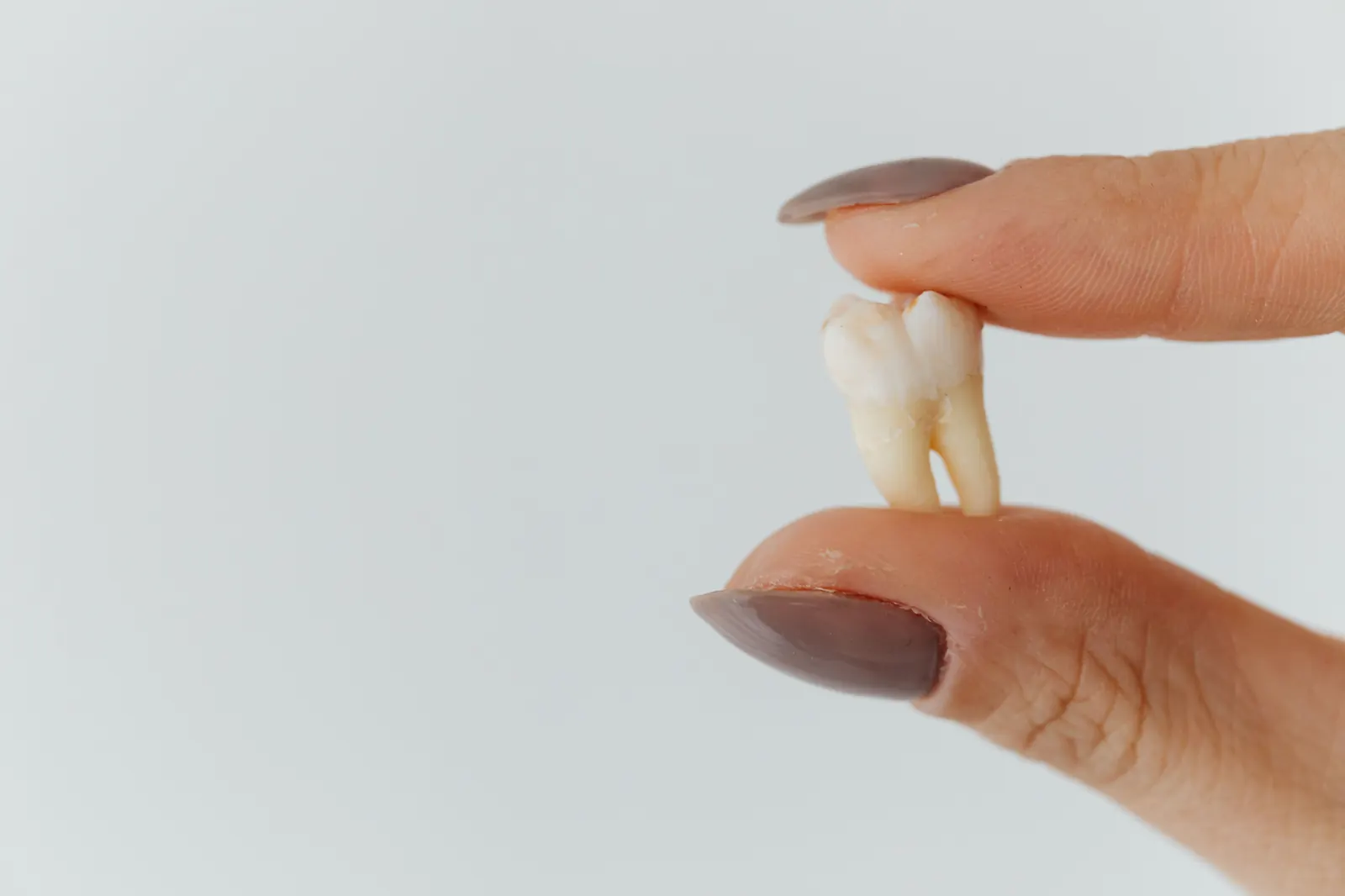
Healing begins within minutes. A blood clot forms in the empty socket and acts as the foundation for new bone and soft tissue. Disturb the clot — by smoking, drinking through a straw, vigorous rinsing, or alcohol — and you risk dry socket: an exposed bone surface that delays healing by 7–10 days and is one of the more painful experiences in dentistry. The protocol below is built around protecting that clot.
- Bite on gauze for 45 minutes after leaving the clinic. Replace if soaked, not before.
- Cold compress 20 minutes on, 20 off, for the first 6 hours. Swelling will still peak on day 2–3 regardless — that is normal.
- No vigorous rinsing for the first 24 hours. Any rinsing is gentle, no swishing.
- Sleep with your head elevated — an extra pillow.
- Soft cold food only. No hot drinks, no straws, no alcohol, no smoking.
- Pain medication as prescribed. The most evidence-based regimen is paracetamol 1 g + ibuprofen 400 mg in rotation, not as a fixed schedule but as needed.
Day 2 to day 7
From day two onwards the wound shifts from clot-protection mode to active healing. The aim is to keep the area clean without disturbing it.
- Begin gentle saline rinses — half a teaspoon of salt in a warm cup of water, three times daily, starting 24 hours post-op.
- Continue a soft diet, gradually advancing as comfort allows. Most people return to normal eating by day 5–7.
- Brush adjacent teeth gently. Avoid the socket itself for 4–5 days.
- No smoking for the entire first week — ideally two. Smoking is the single biggest predictor of dry socket and delayed healing.
- If a stitch comes loose or seems uncomfortable, do not pull at it. Many dissolve on their own; others are removed at follow-up.
What is normal versus what needs attention
Most discomfort is predictable. The trick is recognising when something has crossed the line from expected recovery to something that needs review.
- Normal: moderate swelling that peaks at day 2–3, mild oozing for the first 24 hours, mild to moderate pain controlled by analgesia and decreasing day by day, slight bruising on the cheek.
- Worth a phone call: severe pain peaking on day 3–5 (this is the classic dry-socket pattern, treatable in 5 minutes with a medicated dressing), fever above 38°C, swelling that increases after day 3, pus or persistent bad taste, numbness that lasts beyond 24 hours.
If you had your extraction with us in Istanbul, message us on WhatsApp with a photograph. If you are reading this from the UK after a local extraction, your dentist or NHS 111 should be your first call — most surgeries keep emergency slots specifically for post-op concerns.
When you can fly safely
Cabin pressure changes do not damage a properly closed socket, but the practical question is more nuanced — what happens if you bleed at altitude, or if pain peaks somewhere over France with no dentist within reach.
For a routine simple extraction, flying after 48–72 hours is generally safe. For a surgical extraction (impacted wisdom tooth, bone removal, multiple sutures), we recommend 5–7 days minimum before a flight. If the extraction is part of a larger treatment — implant placement, sinus lift, bone graft — the timing follows the surgical protocol, not the extraction alone.
For UK patients flying back from Istanbul, the standard travel window is 3 nights minimum after a single extraction, longer for surgical cases. Our coordinator will confirm your specific window before you book a return flight, not after.
Returning to normal activity
The work-and-life timeline is shorter than most people expect.
- Light activity: same day, the evening of the extraction.
- Office or desk work: day 2.
- Cardiovascular exercise: day 4–5, build up gradually.
- Heavy lifting or contact sport: day 10–14, when bone remodelling is well underway.
- Diving or significant pressure changes: 3 weeks.
Frequently asked questions
How long does an extraction take to heal?
Soft tissue closes over the socket within 7–10 days. Bone fill underneath continues for 3–6 months. The pain timeline is shorter — most patients are comfortable by day 4 with simple analgesia, and back to normal by day 10. If you are still in significant pain at day 7, that is a reason to be reviewed, not toughed out.
Is dry socket dangerous?
Dry socket is painful, not dangerous. It happens when the blood clot dislodges before the wound has begun to heal underneath. Treatment is straightforward: a medicated dressing placed in the socket, replaced every 1–2 days for a week. The pain typically halves within an hour of placement. It does not damage the bone or affect future implant placement at the same site.
Can I fly the day after a wisdom tooth extraction?
For a simple wisdom tooth extraction with stitches, 48–72 hours is the safe minimum. For an impacted lower wisdom tooth with bone removal, we strongly suggest 5–7 days. The risk is not the cabin pressure but the practical difficulty of managing complications mid-flight or in a foreign airport.
Will my UK dentist remove the stitches if my extraction was abroad?
Yes, almost always. Suture removal is a 5-minute appointment that any UK dentist will do without difficulty, regardless of where the original work was done. We send you home with a written record so the receiving dentist knows exactly what was placed. Our complete UK aftercare protocol covers what records to bring.
What we do differently for international patients
For UK patients undergoing extractions in Istanbul as part of an implant or restoration plan, the aftercare is more structured than the typical “see you in six months” approach.
- WhatsApp follow-up at 24 hours and 7 days, scheduled — not “call us if you need anything”.
- Photographic check-in at the 7-day mark, so we see the socket directly rather than relying on description.
- Records pack including the extracted tooth’s anatomy, any pathology noted, and what was placed (bone graft, membrane, suture material) so your UK dentist can read the technical history.
- Return-flight clause for covered complications within the warranty window — clear in writing, not a marketing line.
If you are weighing extraction abroad as part of a larger plan, we will reply within 1–2 hours with a written treatment plan that includes the recovery schedule before you book anything.